Two Human Silhouettes Explained for Beginners
Sometimes the simplest visual ideas carry the most meaning. Two Human Silhouettes is a concept you will encounter across graphic design, technology presentations, and creative projects. At its core, it represents a pair of human forms stripped down to their essential outline. These figures often stand side by side, inviting comparison or suggesting connection. When one of those silhouettes includes a VR headset, the image quickly becomes a powerful symbol for how virtual reality is reshaping human experience. This article unpacks what makes this visual pairing so useful, where it fits into your work, and what to think about before you use it.
What Are Two Human Silhouettes in Practical Terms
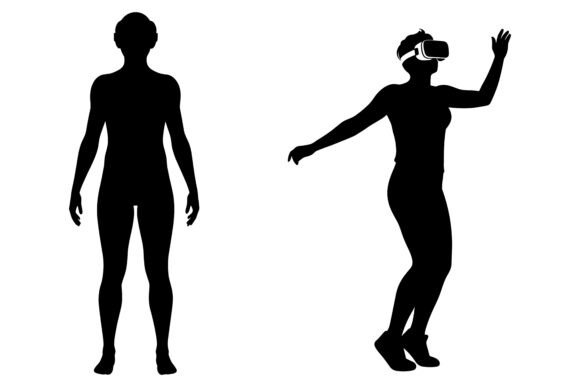
A silhouette removes clothing texture, facial expression, and environmental clutter. You are left with a figure that could be anyone. Two human silhouettes placed together create an immediate dialogue. The eye naturally compares them. Designers often use this setup to show contrast between states of being. One figure might be static while the other appears in motion. One could represent a person in everyday life while the other shows the same person immersed in a digital space.
The version described as Two human silhouettes one with vr headset silhouette 1 EPS File 1 JPG File gives you a ready-made asset pack. One file is a vector format you can resize without losing sharpness. The other is a flat image ready to drop into presentations or social media graphics. This specific pairing draws a clear line between physical and virtual presence. It is a quiet yet effective way to communicate ideas about technology adoption, future trends, or entertainment evolution.
Why This Visual Idea Connects With So Many People
Human brains are wired for recognition. We spot human shapes faster than almost anything else. When you use two human silhouettes, you tap into that instant recognition without anchoring the image to a specific age, ethnicity, or cultural signifier. The neutrality makes the graphic flexible. A small business owner can use it. An educator can drop it into a slide deck. A blogger writing about the metaverse can place it at the top of an article without worrying the image will alienate part of the audience.
Adding a VR headset to one silhouette shifts the narrative. The unadorned figure still represents the baseline human. The other becomes a symbol of immersive technology, digital exploration, or future-forward thinking. That contrast works because it is easy to read. You do not need a caption to understand the story. The body language, hand gestures, and stance do the heavy lifting. When one figure has a raised arm or outstretched hand, the sense of interaction and movement grows stronger.
The Emotional Pull of Simple Human Forms
Stripping away detail actually adds emotional room. Viewers project themselves onto blank figures. A silhouette can stand for “someone like me.” When you see two human silhouettes, the mind wonders about the relationship. Are they colleagues? Friends? The same person in two different moments? This open-ended quality makes the image useful across completely different contexts. A game developer might use it to show player progression. A therapist exploring virtual reality exposure therapy could use it to soften a clinical topic.
Real-World Uses for Two Human Silhouettes
This visual pairing shows up in more places than you might expect. The flexibility of an isolated studio shot style with a clean white background means the graphic slots into almost any layout. Here are several practical applications you might consider.
- Presentations and pitch decks. Startups working on VR fitness, remote collaboration, or digital twins often need images that feel modern but not overly technical. Two human silhouettes with one wearing a headset instantly signal the category without requiring a paragraph of explanation.
- Blog headers and article thumbnails. Topics like augmented reality, cyberspace trends, or the future of gaming benefit from graphics that set the mood. The silhouette pair acts as a visual shorthand for human-centered tech discussion.
- Social media content. Instagram posts, LinkedIn carousels, and YouTube thumbnails all rely on quick visual punch. The contrast between two human silhouettes stops a scrolling finger. It creates curiosity before the viewer reads a single word.
- Educational materials. Teachers explaining virtual reality concepts or digital literacy can use the image to anchor abstract ideas. A student sees two human figures and immediately grasps the parallel between normal experience and immersive digital environments.
- UI and app design. Onboarding screens for a VR application might use a simplified silhouette pair to illustrate the leap from 2D interface to full immersion.
Creative Projects and Brand Storytelling
Graphic designers often build entire campaigns around symbolic imagery. Two human silhouettes let you illustrate transformation without picking a specific person. A wellness brand entering the digital space could show one figure meditating in a natural setting while the figure beside it explores a calming VR environment. The movement, gesture, and posture do the storytelling. Because the asset comes as both an EPS file and a JPG file, you have room to adapt. The vector format lets you change colors, overlay textures, or integrate the silhouette into a larger composition. The JPG is ready to go for quick projects.
Choosing and Working With Silhouette Assets
Not every silhouette graphic is created equal. Before you download or purchase an asset like Two human silhouettes one with vr headset silhouette 1 EPS File 1 JPG File, take a moment to consider a few practical points.
File format matters. The EPS file remains your most flexible friend. You can scale it infinitely, strip it apart, change the headset shape, or adjust limb positions if you have vector editing software. The JPG file is faster to use but limited in editing depth. If you need to resize dramatically, stick with the vector.
Check the license terms. Some silhouette packs allow unlimited commercial use. Others restrict use on merchandise or resale platforms. Always verify what the creator permits. A graphic on a white background might look free for any purpose, but assuming can lead to problems down the road.
Think about gesture and body language. A figure with arms raised might read as celebration, urgency, or exploration. A neutral standing pose communicates calm observation. The way hands and arms are positioned changes the entire feel. Look closely at how the two human silhouettes interact. Do their postures suggest cooperation, isolation, or transformation? Choose the dynamic that aligns with your message.
Consider your audience's comfort with abstraction. Some viewers connect instantly with blank human shapes. Others need a bit more context. If your audience skews toward beginners or casual readers, pair the silhouette with a short headline that anchors the meaning. The image does a lot on its own, but a few words can clarify whether you are talking about gaming, health, innovation, or social connection.
Where the Analog and Digital Meet
There is a reason images combining human figures and VR headsets have become so common. They sit right at the intersection of familiar and futuristic. You understand the human body. You recognize the headset as something new. Two human silhouettes let you present that meeting point without overwhelming people with hardware close-ups or overly complex interface shots. The white background keeps the focus tight. No distractions, no unnecessary detail.
Marketers covering the metaverse often lean on this type of imagery because it humanizes a technical topic. A blogger writing about digital identity can use the graphic to frame a discussion about how we show up online versus offline. The silhouette with the headset could be the digital self. The one without could be the physical self. That simple visual metaphor carries through an entire article without needing replacement.
Movement and Interactivity as Visual Cues
When one silhouette appears active, the contrast grows even starker. An outstretched arm reaching toward something unseen suggests curiosity and engagement. A hand gesture in the VR figure hints at button presses, object manipulation, or in-game interactions. These small details help viewers imagine the experience before they read a word. The power of two human silhouettes lies partly in how they invite the mind to fill in the blanks. You give the outline. The audience brings the story.
Things to Keep in Mind Before You Use the Image
Even a flexible graphic benefits from thoughtful application. A few considerations will help you use the silhouette pair effectively.
- Avoid overuse across a single project. If every slide in your deck uses the same two human silhouettes, the impact fades. Use it as a key visual anchor rather than a repetitive element.
- Color can change meaning quickly. A black silhouette on white feels classic and neutral. Introducing gradient fills, neon accents, or duotone effects can push the image toward cyberpunk energy or corporate polish. Match the aesthetic to your brand.
- Context shapes interpretation. The same image next to a headline about gaming feels very different beside a headline about therapeutic applications of VR. Think about the words and visuals surrounding the silhouettes.
- Representation matters, even in simplified forms. Because silhouettes are neutral by nature, they can feel inclusive or generic depending on your needs. If your project calls for specific representation, consider whether a simple outline serves that goal or falls short.
Bringing It Together in Your Own Work
Whether you are a freelancer building a client presentation, a marketer crafting a campaign, or an educator designing a lesson, two human silhouettes offer an adaptable foundation. The specific pairing of one natural figure and one VR-equipped figure speaks directly to current conversations around mixed reality and digital life. You do not need specialized skills to make the graphic work. Start with the clean EPS file if you want full control. Drop the JPG into a slide if speed matters more. Either way, the message comes through clearly: human experience is expanding in new directions, and someone standing with a headset on represents that shift in a single glance.
The metaphor extends beyond gaming. Virtual reality is finding its way into architectural walkthroughs, remote team meetings, fitness routines, and creative collaboration tools. Two human silhouettes capture the transition from observer to participant. One figure watches. The other steps inside. That story rarely needs more explanation because we all feel it happening around us. The graphic simply gives the feeling a shape.