Harnessing the Power of the Sword Master Ninja Pose Collection for Dynamic Visual Storytelling
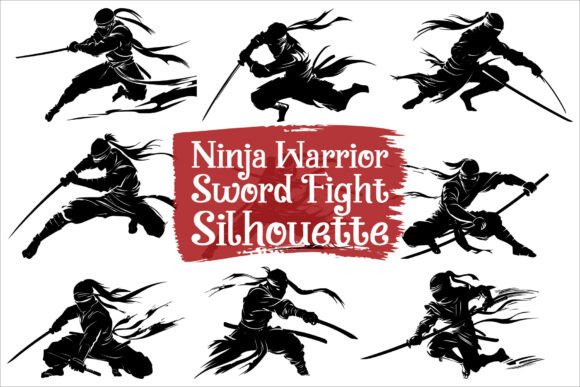
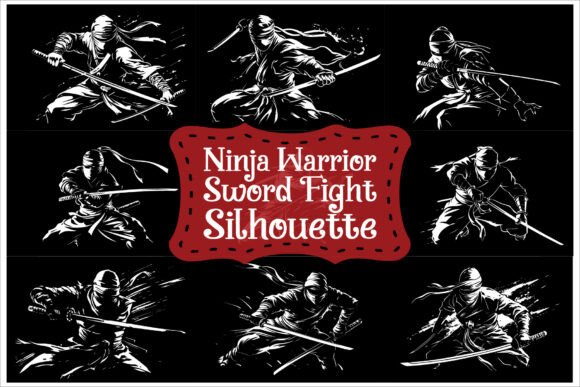
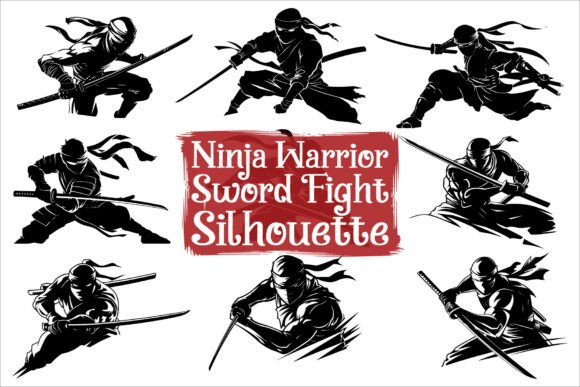
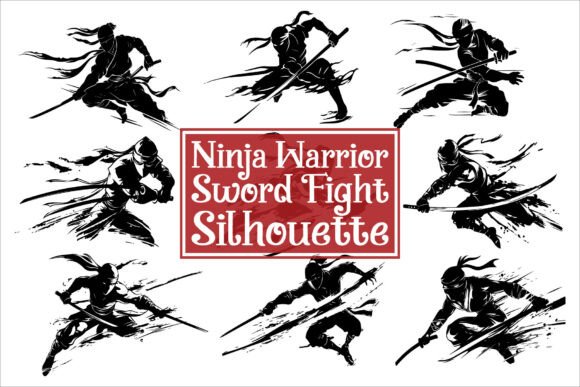
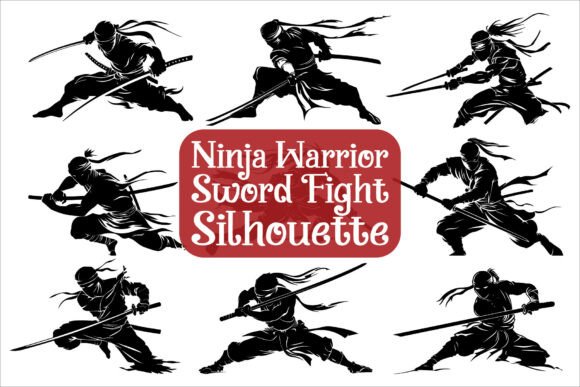
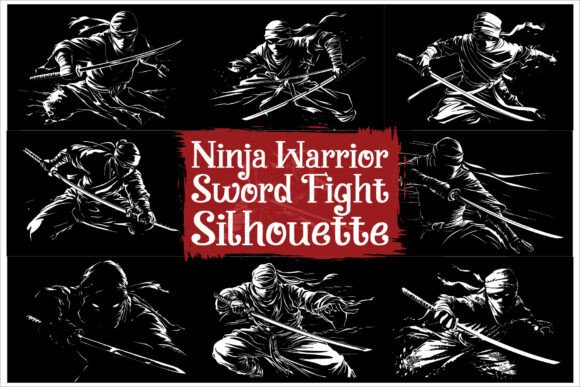
Silhouette art carries a unique ability to communicate motion, emotion, and identity through the purest form of contrast. When that silhouette captures a warrior in mid-strike, blade arcing through space, the visual impact becomes immediate and undeniable. The Sword Master Ninja Pose Collection embodies this principle across every design it offers, delivering a curated set of nine distinct ninja warrior forms that speak directly to the language of agility, discipline, and latent power. These are not static figures frozen in time but dynamic representations of martial artistry that translate effortlessly across digital and physical mediums.
For creators working across diverse platforms and materials, the value of a well-constructed silhouette bundle extends far beyond the number of files included. It rests in the versatility of each pose, the clean execution of every cut line, and the psychological resonance these shadowy warriors evoke in viewers. Whether you are designing apparel for a martial arts academy, engraving custom wall panels for a dojo, or building assets for an indie game, understanding how to leverage these designs can transform a project from ordinary to commanding.
The Language of Silhouette: What Makes a Ninja Pose Effective
Silhouettes strip away detail to reveal essence. A successful ninja silhouette must communicate stance, weapon positioning, and intention without the crutch of facial expression, color gradients, or texture. The Sword Master Ninja Pose Collection achieves this through nine carefully differentiated action states. Some poses emphasize the coiled readiness before a strike—knees bent, blade held close, body compact with potential energy. Others capture the explosive release of a cut, arms extended, fabric trailing, the sword completing its decisive arc. Still others depict the aftermath of movement, a warrior resettling into guard with quiet confidence.
This range matters because different projects demand different emotional tones. A t-shirt design for a youth karate tournament might benefit from an upward-leaping pose that conveys aspiration and energy. A logo for a traditional kenjutsu school would be better served by a grounded, centered stance that communicates discipline and lineage. Having access to multiple distinct silhouettes within a single bundle means the designer can audition different attitudes against their specific message rather than forcing a single pose to serve every purpose.
How the Nine Dynamic Designs Work Together
The bundle's nine poses do not exist in isolation—they form a narrative arc when viewed collectively. A trained eye can trace the sequence from stillness through acceleration to resolution, much like the kata of traditional Japanese martial arts. This sequential quality opens creative possibilities for multi-panel compositions, step-by-step instructional graphics, or animated sprite sheets where each frame represents a phase of combat. The consistency of style across all nine designs ensures that when used together, they read as a unified whole rather than a disparate collection.
Consider a wall mural for a martial arts studio. You might arrange three silhouettes in progression across the main wall: one in a preparatory stance near the entrance, one in full extension at the center of the room, and one in a composed finishing position near the back. The unspoken narrative guides visitors through the space and subtly reinforces the journey from student to master. The visual cohesion of the bundle makes this type of sequential storytelling feel natural and intentional.
File Format Literacy for Multi-Platform Creators
One of the most practical aspects of this silhouette bundle is its format diversity. Each pose arrives in four distinct file types: SVG, PNG, JPG, and EPS. For experienced designers, this is not a luxury—it is a necessity. Every creative workflow, from screen printing to laser engraving, imposes its own technical requirements, and attempting to convert an incompatible file type often degrades quality or introduces artifacts that become painfully visible at larger scales.
SVG files form the backbone of vector-based work. They scale infinitely without pixelation, making them the format of choice for cutting machines like Cricut and Silhouette Cameo, as well as for design software such as Adobe Illustrator and Affinity Designer. The Sword Master Ninja Pose Collection includes SVG versions of every pose, allowing you to resize a ninja figure from a small decal to a wall-sized vinyl installation without losing a single crisp edge. The path data embedded in each SVG also communicates directly with cutting machine firmware, dictating blade movement with precision that raster formats simply cannot match.
PNG files serve a different but equally important role. With transparent backgrounds baked into every image, these raster files drop seamlessly onto colored fabrics, textured backgrounds, or layered compositions without requiring manual background removal. For digital artists composing in Photoshop or Procreate, for web designers placing silhouettes over hero images, or for crafters printing onto transfer paper, PNGs offer immediate usability. The transparency support means a ninja silhouette can float over a gradient sunset, a blood-red circle reminiscent of the Japanese flag, or a distressed grunge texture without a white box destroying the illusion.
JPG and EPS in Professional Workflows
JPG files, while lossy by nature, remain the universal common denominator of image formats. They open on any device without specialized software, making them ideal for client previews, social media mockups, or quick placement in office applications like Word or PowerPoint. For print-on-demand platforms that require flattened RGB images, JPGs often meet the upload specifications precisely. Having high-resolution JPG versions of all nine ninja poses means you can submit designs to marketplaces like Redbubble, TeePublic, or Amazon Merch without format conversion steps that might introduce compression artifacts.
EPS files cater to legacy and professional print workflows. Many commercial print shops, sign makers, and engraving services still prefer or require EPS format for its robust handling of vector data, spot colors, and print-specific metadata. If you are outsourcing production of large-format banners, vehicle wraps, or engraved signage featuring ninja imagery, providing EPS files to your vendor often results in smoother communication and fewer production errors. The inclusion of EPS alongside SVG means the bundle serves both modern DIY makers and traditional print professionals with equal competence.
Hardware Compatibility Across Cutting and Engraving Systems
For physical crafters and small-batch manufacturers, file compatibility is only half the equation. The other half is how well those files translate into machine-readable instructions that produce clean cuts, reliable weeding, and minimal material waste. The SVG files in the bundle are structured to work seamlessly with consumer-grade cutting machines like the Cricut Explore, Cricut Maker, Silhouette Cameo 4, and Brother ScanNCut. These machines rely on clearly defined closed paths and minimal node complexity to execute smooth cuts at various scales.
Laser engraving introduces a different set of demands. Machines like the Glowforge, xTool, and Ortur diode lasers can read SVG vector data but interpret it differently than a blade-based cutter. Instead of following a path with physical contact, the laser traces the vector at variable power and speed settings to etch, score, or cut through materials like wood, acrylic, leather, and coated metal. The clean linework of these ninja silhouettes makes them particularly well-suited for laser work, where overly complex paths can slow processing time and increase the risk of burn marks or incomplete cuts. The bold, uncluttered outlines of each pose engrave quickly and read clearly even at small sizes on items like keychains, coasters, or personalized phone cases.
Vinyl Cutting and Heat Transfer Applications
Adhesive vinyl cutting represents perhaps the most accessible entry point for creators working with the Sword Master Ninja Pose Collection. The process involves loading a sheet of colored vinyl into a cutting machine, sending one of the SVG files, and letting the blade trace the ninja silhouette before manually weeding away the excess material. The resulting decal can be applied to laptops, water bottles, car windows, skateboards, or any smooth surface that needs an injection of warrior energy. Because the designs are balanced and intentional in their negative space, they weed relatively easily—an important consideration for anyone who has struggled with intricate designs that tear during the weeding process.
Heat transfer vinyl opens the apparel market directly. By cutting a ninja silhouette from HTV, mirroring the design, and applying it to a t-shirt, hoodie, or gi with a heat press, you create durable, professional-looking martial arts merchandise. The bold contrast of black silhouette against white or heather gray fabric produces a striking result, but the designs also work beautifully in metallic foil HTV for a premium look, or in reflective vinyl for safety-conscious athletic wear. A single ninja pose placed across the back of a hoodie, with a smaller iteration on the front chest, creates a cohesive garment that feels designed rather than decorated.
Creative Domains and Practical Applications
The martial arts industry naturally gravitates toward ninja and samurai imagery, but the applications of this bundle reach far beyond dojo merchandise. T-shirt designers serving the gaming community find these silhouettes resonant with titles that feature stealth mechanics, Japanese historical settings, or action-combat gameplay. The universal recognition of the ninja archetype means a design does not need to reference a specific game to appeal to the audience—the silhouette alone triggers associations with speed, precision, and mastery that gamers intrinsically value.
Logo creation benefits from the bold readability of silhouette-based marks. A martial arts school, a fitness brand, a security company, or a tech startup naming itself after ninja mythology can use these poses as the foundation of a visual identity. Because the files are vector-based, the designer can simplify further, extract partial elements like just the sword or the stance, and combine them with typography to create a mark that is both immediately legible and rich with connotation. The black-and-white nature of the source material makes it easy to test logo concepts in single-color applications, which is essential for embroidery, rubber stamps, and embossed printing.
Interior Decor and Personalized Gifts
Wall art occupies a growing segment of the home decor market, and ninja silhouettes fit surprisingly well into contemporary interior styles. A large canvas print featuring a single dramatic pose in matte black against a textured white background reads as modern and minimalist. A triptych showing three sequential poses aligned across a living room wall introduces movement and narrative without overwhelming the space with color or detail. For children's rooms, these silhouettes offer an alternative to overly commercialized character art—they evoke adventure and discipline without tying the room to a specific franchise.
Personalized gifts represent a high-value application because they combine the visual appeal of the design with the emotional weight of customization. Engraved wooden plaques, etched glass tumblers, sandblasted metal flasks, and embroidered patches all benefit from the clean vector data these files provide. A laser-engraved wooden box featuring a ninja silhouette on the lid becomes a meaningful gift for a martial artist receiving a belt promotion. A set of etched drinking glasses with different poses on each glass makes a conversation-starting gift for a dojo's holiday exchange. The per-unit cost of these projects is low, but the perceived value is high because the design looks intentional and professionally executed.
Digital Crafts and Online Content Creation
Beyond physical products, the Sword Master Ninja Pose Collection supports a wide range of digital-only applications. Twitch streamers and YouTube content creators who focus on gaming, martial arts, or Japanese culture can incorporate these silhouettes into overlay graphics, alert animations, channel banners, and emotes. The transparent PNGs drop directly into streaming software like OBS without additional processing, and the consistent visual style across all nine poses allows creators to build a recognizable brand aesthetic that audiences associate with their content.
Digital scrapbookers and journaling enthusiasts use silhouette imagery extensively in their layouts, and ninja poses offer a distinctive alternative to the floral and whimsical designs that dominate the space. A digital travel journal documenting a trip to Japan, for instance, gains thematic cohesion when ninja silhouettes are used as decorative elements alongside photos, ticket stubs, and handwritten notes. Educational content creators developing materials about Japanese history or martial arts can use the silhouettes to illustrate concepts without sourcing period-accurate photography or commissioning custom illustrations.
Board Game and Tabletop RPG Assets
The independent game design community represents an enthusiastic audience for silhouette art. Tabletop role-playing game accessories such as custom character sheets, GM screens, and playmat designs frequently incorporate thematic imagery to set the tone for a campaign. A Legend of the Five Rings or Sengoku-era adventure benefits from ninja silhouettes that establish the setting before players even roll dice. Card game designers prototyping ninja-themed decks can use the PNG files as temporary or even final card art, particularly for minimalist designs where the silhouette carries the mechanical identity of the card.
Board game component creation—custom meeples, tokens, and player boards—is increasingly accessible through consumer-grade laser cutters and 3D printers. The SVG outlines can be extruded into simple 3D models for resin printing, or used directly as engraving patterns on wooden tokens. A game that differentiates player factions by silhouette, with one player commanding the ninja pieces, gains visual clarity at the table and reduces the cognitive load of identifying game state during play.
Material Considerations for Physical Production
Choosing the right material for your ninja silhouette project influences both the final aesthetic and the production difficulty. For vinyl decals intended for outdoor use, Oracal 651 or similar permanent adhesive vinyl holds up against weather and UV exposure, ensuring that a car window decal or outdoor sign remains legible for years. For indoor wall decals that may need to be removed without damaging paint, a low-tack removable vinyl prevents frustration during redecoration. The smooth curves of the ninja silhouettes apply well to both material types, though very tight interior cuts in complex poses may require a sharp blade and appropriate cut settings to prevent lifting during weeding.
Wood engraving introduces grain direction as a design consideration. Open-grained woods like oak create a rustic, textured appearance where the engraved ninja silhouette interacts with the natural grain pattern. Closed-grained woods like maple or cherry produce a cleaner, more precise result where the full impact of the silhouette reads without visual interference. Testing on scrap material before committing to expensive hardwood blanks is always recommended, particularly when running a new pose for the first time. Laser power and speed settings that work perfectly for one wood species can scorch or under-engrave another.
Fabric applications benefit from considering the drape and stretch of the substrate. A large ninja silhouette printed across the chest of a cotton t-shirt behaves differently than the same design on a performance polyester rash guard. The design's bold negative spaces prevent the heavy, rubbery feel that large solid blocks of HTV can create, maintaining breathability and comfort during physical activity. For martial arts uniforms specifically, placement on areas that do not crease excessively during movement—such as the upper back or sleeve—preserves the design's legibility over many training sessions and washes.
Design Integration and Composition Strategies
Raw silhouette files are building blocks, not finished products. The way a creator integrates these ninja poses into a larger composition determines whether the result feels generic or distinctive. Layering a ninja silhouette over a textured background—watercolor washes, ink splatters, geometric patterns, or photographic landscapes—creates depth and context. A pose depicting a downward strike gains dramatic weight when placed over a crimson sun or a shattered moon. A standing guard pose reads differently against urban concrete textures than against bamboo forest imagery.
Typography pairing deserves attention when these silhouettes are used for apparel or posters. The angular, dynamic nature of the poses pairs naturally with bold, condensed sans-serif typefaces that echo the sharpness of the blade. Brush script fonts, particularly those with Japanese calligraphy influences, create thematic harmony but require careful kerning to maintain legibility. A common and effective layout places the silhouette as the primary visual anchor with supporting text arranged around it, but more adventurous designers might integrate the typography directly into the negative space of the pose, with letters threading through the arc of the sword or the bend of an arm.
Color application transforms the mood of a silhouette completely. While black remains the default and most recognizable treatment, a gold foil ninja on a deep navy background reads as premium and ceremonial. A white silhouette on a black substrate feels stark and cinematic. Neon variations speak to cyberpunk and synthwave aesthetics that have strong crossover appeal with gaming communities. The vector format of the SVG and EPS files makes color experimentation trivial—a single click in Illustrator or Inkscape changes the fill and opens an entirely new design direction without altering the underlying paths.
Understanding the interplay between the Sword Master Ninja Pose Collection and the creative contexts in which it operates transforms a set of files into a versatile design toolkit. The technical compatibility across formats and machines removes barriers to production, while the artistic quality of the nine poses ensures that the results, whether printed, cut, engraved, or rendered digitally, carry the weight and authenticity that martial arts imagery demands. Each application—from a child's bedroom decal to a professional dojo's branding—draws on the same foundational strength: silhouettes that capture the warrior spirit in its most essential, unadorned form.