Game Over PNG Graffiti Controller Design
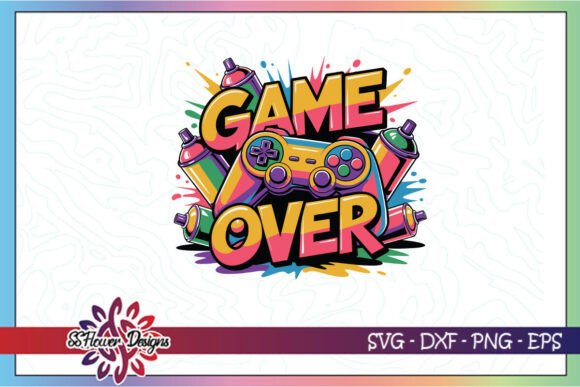
Retro gaming visuals and gritty street art often share an unspoken energy. The Game over Png Graffiti Controller Gamin file merges these two worlds into a single, high-impact digital asset. It captures a hand-drawn controller motif splashed with the raw attitude of urban graffiti, finished with the familiar “game over” message. For anyone creating custom merchandise, event invitations, or craft projects with a gaming edge, this graphic offers a shortcut to a bold, ready-to-print look.
What Makes This Urban Graphic Stand Out
At its core, this is a Game Over Png Graffiti Controller Gaming Sublimation Design Urban Graphics file with a transparent background. The controller illustration isn’t a sterile, technical diagram. It carries the rough texture, drips, and layered strokes typical of spray-painted street murals. That artistic treatment makes it feel less like a prefabricated clipart piece and more like a custom-made artwork. Because the background is fully transparent, you can drop the design onto any backdrop — solid colors, gradients, or even photographic textures — without the awkward white box that complicates layouts.
The file arrives as a single PNG, sized at 300 DPI. That resolution is a practical sweet spot. It keeps the edges crisp on physical products up to typical sublimation print dimensions while avoiding unnecessarily huge file sizes. The high-resolution nature means you can scale it for a mug wrap, a laptop skin, or a T-shirt chest print without immediately seeing jagged pixelation. For creators who constantly fight blurry output when they enlarge low-resolution web graphics, this clarity is a genuine time-saver.
Why a Transparent Background Changes Your Workflow
Anyone who has spent hours painstakingly erasing white backgrounds from JPG images knows the frustration. The transparent PNG format eliminates that step entirely. When you place the Game over Png Graffiti Controller Gamin into software like Photoshop, Affinity Designer, Canva, or even free alternatives like GIMP, the controller sits cleanly on your canvas. You can immediately move to layering, blending, and adding your own text or additional elements. This small technical detail accelerates design iteration. Instead of fixing edges, you focus on creative decisions — choosing font pairings, adjusting color overlays, or building a compelling composition around the graphic.
This workflow benefit is especially noticeable when preparing files for sublimation. Sublimation dyes bond with the surface, so any leftover background pixels will transfer as an ugly tinted halo. A genuine transparent PNG eliminates that risk. Whether you’re pressing a ceramic mug, a polyester shirt, or a aluminum photo panel, the controller design floats seamlessly against the substrate. The result looks intentional, not patched together.
Who Finds the Most Value in This File
The design sits at a crossroads between niche interest and broad appeal. It speaks directly to the gaming community — streamers, retro enthusiasts, esports event planners — but in a style that also attracts scrapbookers, card makers, and small apparel brand owners exploring streetwear aesthetics. The most obvious fit is anyone selling or gifting gaming-themed physical goods. Yet it also serves unexpected purposes.
Independent creators running print-on-demand shops often need artwork that stands out in a crowded marketplace. A generic controller icon fades into the background, but the graffiti treatment brings texture and attitude that photographs well in mockups. Educators and youth program coordinators designing reward stickers or certificates for coding clubs and gaming workshops can use the graphic to make materials feel relevant and fun without commissioning custom artwork. Hobbyist card makers appreciate that the design is self-contained — it can anchor a birthday card or a “game night” invitation without requiring elaborate additional elements. The file also appeals to scrapbooking enthusiasts documenting gaming milestones, family tournaments, or arcade memories, because the transparent background layers gracefully over patterned papers.
Practical Applications That Go Beyond the Expected
While the product description mentions T-shirts, iron-ons, mugs, and printables, the actual potential stretches much further once you consider the design’s visual weight. Here are several pathways where the graphic can solve a specific need:
- Event signage and table tents: For gaming tournaments or retro-themed parties, print the design on cardstock and fold it into table displays. The high contrast graffiti stands out even in dimly lit rooms.
- Stream overlay badges: Content creators can resize the graphic to serve as a “death” or elimination notification during live broadcasts. Its transparent background allows it to float over gameplay footage without blocking critical information.
- Phone case inserts: Print the design on printable transparency film or light cardstock and slip it inside a clear phone case for a custom look that rotates with your mood.
- Heat transfer labels for gaming accessories: Use the sublimation version to brand controller stands, headset hangers, or custom arcade sticks with a professional finish.
- Scrapbook die-cut accents: Because the PNG has no background, you can digitally combine it with other elements before cutting on an electronic die-cutting machine, creating layered embellishments.
Each use case relies on the same core qualities: a striking central image, flexible placement, and print-ready sharpness. The design doesn’t try to do everything; it does one thing — deliver a game-over moment — with clear visual polish.
How the Urban Aesthetic Communicates Without Words
The graffiti controller isn’t just decoration. It transmits a specific mood that matters for branding, gifting, and social content. When someone sees a spray-painted game-over symbol, they immediately associate it with arcade culture, friendly rivalry, and a certain nostalgic edge. That’s valuable for small businesses trying to build an identity around retro or alternative gaming. A sleek, minimalist controller might signal modern professionalism, but the Game Over Png Graffiti Controller Gaming Sublimation Design Urban Graphics style suggests authenticity, street cred, and a do-it-yourself spirit.
For personalized gifts, this emotional shorthand works in your favor. A mug printed with this design immediately becomes more than a vessel for coffee; it’s a wink between gamers, a shared understanding of the thrill and frustration of a tough level. That makes it an excellent choice for last-minute yet meaningful presents because the graphic does much of the storytelling for you.
Getting the Most from Your Purchase: File Handling and Software
After downloading the file, you will receive a zipped folder. A computer is needed to unzip these files, and you will need a design editing program that supports the provided format to use them. This is a standard requirement, but it warrants attention if you primarily work on a tablet or phone without a dedicated file manager and design app. Most laptops and desktops can handle unzipping natively or with free utilities like 7-Zip. Once extracted, the PNG can be opened in virtually any modern graphic software.
Programs like Adobe Photoshop, Illustrator, CorelDRAW, Affinity Designer, or even Canva Pro accept transparent PNGs directly. Free options such as GIMP, Inkscape, or Photopea also work perfectly. For sublimation printing, you’ll also need software that connects to your printer preferences, such as Sawgrass Print Manager or the tools supplied by your heat press manufacturer. The graphic itself does not include a color profile, so you will need to manage color conversion based on your specific ink and substrate.
Understanding Color and Output Variability
One practical consideration that affects every digital design purchase is color fidelity. The product note states, “Please note that actual colors may vary slightly due to monitor settings. Depending on your printing method, colors and quality may vary.” This isn’t a flaw; it’s an honest reminder about the gap between screen and physical media. The graffiti controller’s vibrant splatters and neon-like accents might look incredibly punchy on your backlit monitor, but an uncoated cotton T-shirt or a matte-finish mug can absorb ink differently, slightly muting tones. To bridge this gap, consider printing a small test swatch first, especially if you are producing a large batch of items for resale.
For the most consistent results, calibrate your monitor if possible, and if your design software supports soft proofing, use it with the ICC profile recommended by your print provider. The file’s 300 DPI resolution ensures that any softness in detail comes from the printing process, not from the source graphic, so you can troubleshoot with confidence.
Integrating the Design into Broader Projects
Because the graphic is a standalone piece, it works well as a focal point, but you can also treat it as a component inside a larger composition. Try overlaying subtle textures, adding a vignette border, or enclosing the controller inside a retro television frame shape. The graffiti strokes can be colorized or adjusted using hue/saturation sliders in your editing program to match team colors or event themes without losing the gritty texture. You can even duplicate the layer, apply a gaussian blur, and set the blend mode to something like Screen or Overlay to create a glowing neon sign effect behind the main controller for a cyberpunk spin.
These creative extensions rely on you having basic editing knowledge, but the learning curve is gentle. There are countless tutorials for each effect online. The important point is that the file is not a rigid, locked template. The transparent PNG acts as a versatile building block, not a finished poster you can merely resize. That flexibility is what makes it ideal for people who create regularly across different mediums — from card making one day to apparel design the next.
Who Might Need to Look for Something Different
No single design fits every scenario. This asset is intentionally grungy, distressed, and urban. If your project demands a clean, corporate logo aesthetic or a gentle watercolor look, the aggressive street art style might clash with your message. Similarly, if you require vector scalability for large-format prints like banners stretching several feet wide, the raster PNG will eventually show pixelation beyond its maximum intended size. In those situations, exploring a vector file or a different art style would be wiser. That isn’t a limitation of the product but a matter of fit. The design excels in the handheld, apparel, and craft niche it was built for, and for those applications, it remains sharply suited.
Long-Term Use and Reusability
Once you purchase and download the file, it’s yours to reuse across multiple projects. You can create a line of T-shirts, print mugs for a tournament, design scrapbook pages, and then revisit the graphic months later for a completely new inspiration — all without additional licensing headaches because the typical seller grants broad personal and small commercial use rights. This longevity makes the one-time acquisition a practical investment for someone who regularly produces themed merchandise or handmade items. The “game over” concept itself doesn’t expire; gaming culture continuously cycles through nostalgia and revival, so the design remains relevant year after year.
A Thoughtful Starting Point for Your Creative Work
Ultimately, the Game over Png Graffiti Controller Gamin serves as a catalyst. It removes the early-stage hurdle of sketching, inking, scanning, and cleaning up a custom illustration, which can eat hours before you even test a print. By providing a finished, transparent, high-resolution graphic, it shifts your energy toward personalization and production. Whether you’re pressing a one-of-a-kind T-shirt for a friend’s birthday, crafting a set of gaming-themed thank-you cards, or testing a new product idea in your online store, the design puts a polished, edgy visual right at your fingertips. The cheerful closing sentiment from the shop — “Thank you for visiting my shop. I hope you enjoy your purchase” — aligns with that spirit: this is a tool meant to be used, adapted, and enjoyed, not just stored on a hard drive.